
How to Avoid Common Trading Mistakes: A Guide for CFD & Stock Traders
Discover the most frequent psychological and technical pitfalls in stock and CFD trading — and how automated risk rules help you avoid costly drawdowns.
Arjuna Risk Research
Senior Market Strategist • Aug 15, 2026 • 10 min read
- Trading Without a Documented Strategy & Execution Rules
- Neglecting Risk-to-Reward Ratios (RRR) and Expectancy
- Over-Leveraging, Revenge Trading & Emotional Drawdowns
- Failing to Maintain a Trading Journal & Performance Audit
1. Trading Without a Documented Strategy & Execution Rules

One of the most destructive habits of retail CFD and stock traders is executing orders based on intuition, news hype, or FOMO (Fear of Missing Out). Without an explicit, written trading plan, emotional decision-making governs entry and exit points, leading to inconsistent results and unexpected drawdowns.
A professional trading plan must explicitly state: 1) exact technical or quantitative entry triggers, 2) pre-calculated stop-loss prices, 3) target profit levels based on structural resistance, and 4) maximum position sizing relative to total account capital.
Golden Rule of Execution: Never click buy or sell without knowing your exact stop-loss price and dynamic lot size beforehand.
2. Neglecting Risk-to-Reward Ratios (RRR) and Expectancy

A high win rate is meaningless if your average loss is three times larger than your average win. Novice traders often fall into the trap of taking quick small profits while letting losing trades run in hopes of a market reversal.
To build a sustainable trading edge, maintain a minimum Risk-to-Reward Ratio of 1:1.5 or 1:2. Even with a 45% win rate, a 1:2 RRR produces long-term profitability because total gross gains consistently outweigh gross losses.
// Recommended Risk Management Preset for ArjunaFx EA
{
  "MaxRiskPerTrade": "1.5%",
  "DailyDrawdownCap": "5.0%",
  "MinRiskRewardRatio": 1.5,
  "TrailingStopTriggerPips": 20,
  "BreakEvenActivationPips": 15
}- Never risk more than 1.5% - 2.0% of account equity on any single position.
- Set trailing stops to lock in accrued profits as price moves in your direction.
- Avoid moving stop-losses further away from your entry price during active trades.
3. Over-Leveraging, Revenge Trading & Emotional Drawdowns
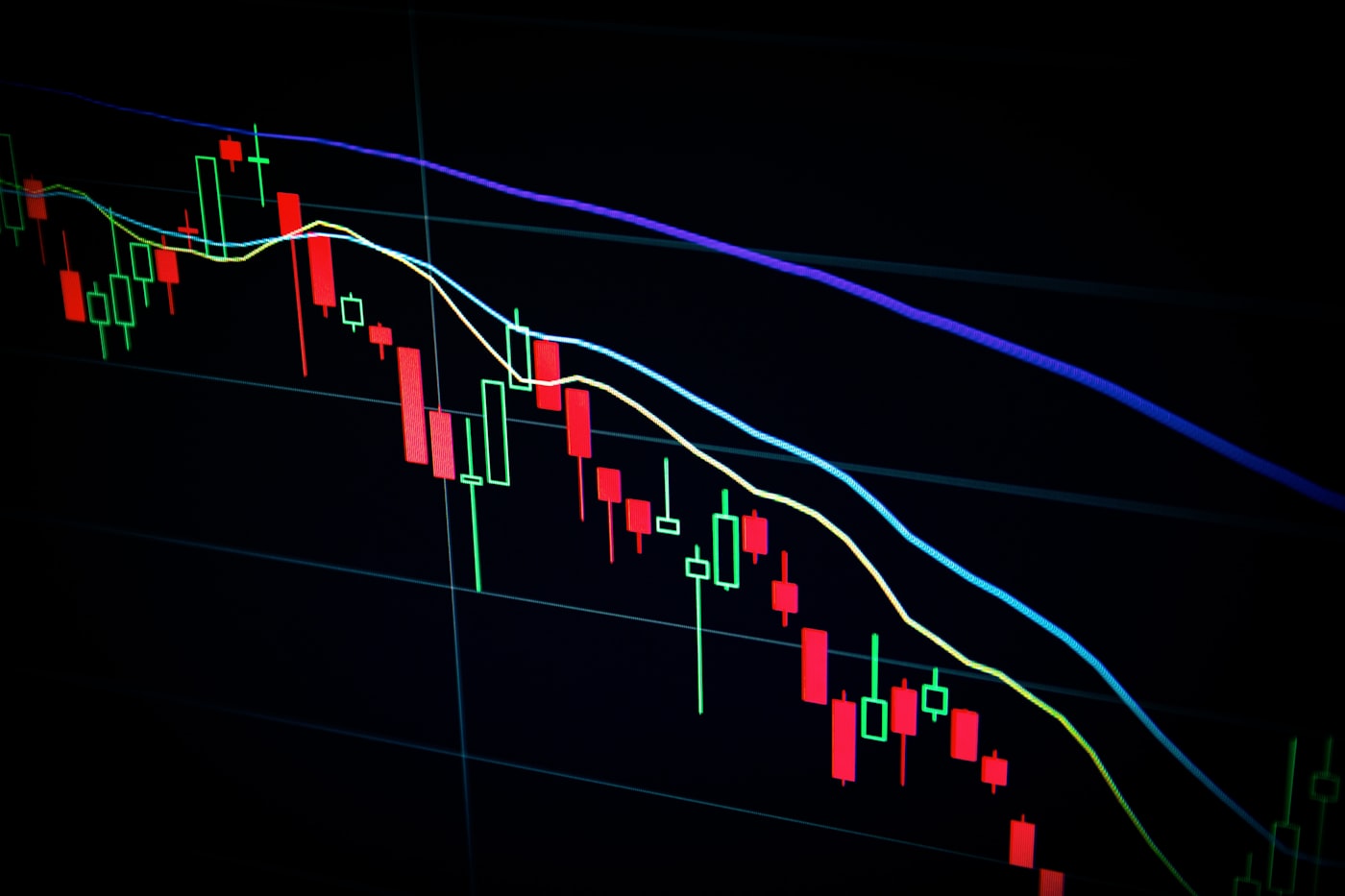
After suffering a consecutive loss, the human impulse is often to immediately open larger positions to "win back" lost funds — a destructive cycle known as revenge trading. Compounded by excessive leverage (1:100 or higher), revenge trading frequently leads to margin calls.
High leverage amplifies both gains and losses. Keep total open margin utilization below 15% to maintain account buffer during market spikes.
4. Failing to Maintain a Trading Journal & Performance Audit

What gets measured gets managed. Without tracking performance metrics such as profit factor, max drawdown duration, and average trade hold time, traders cannot pinpoint whether losses stem from strategy failure or emotional execution flaws.
Log Every Trade
Record entry price, exit price, lot size, time frame, and market catalyst for every completed order.
Calculate Monthly Profit Factor
Divide total gross profits by total gross losses. Target a profit factor between 1.5 and 2.5.
Audit System Parameters
Adjust lot sizing or grid step parameters based on empirical trade logs rather than emotion.
5. Enforcing Rules Automatically with ArjunaFx EA

By automating order entry, grid spacing, dynamic profit targets, and hard daily drawdown caps, the ArjunaFx EA removes psychological discipline failures entirely. Trades execute strictly according to quantitative rules, ensuring your capital remains protected round the clock.
Share this article:
Written by Arjuna Risk Research
Senior Market Strategist specializing in MetaTrader automated trading strategies, quantitative risk management, and forex signal distribution.
Ready to Automate Your MetaTrader Execution?
Deploy the ArjunaFx EA directly to your MT4/MT5 account. Keep 100% custody of your funds with your broker while controlling trades in real-time from our mobile app.
Related Articles

How to Trade Commodities: A Complete Practical Guide to Metals, Energy & CFDs
Master commodity trading across Hard Commodities (Gold, Silver, Crude Oil) and Soft Commodities (Agriculture), understand CFD leverage and supply-demand cycles, and automate execution with ArjunaFx EA.

Is $100 USD Enough to Start Forex Trading? Small Account Reality & Strategy Guide
Discover whether starting forex trading with $100 USD is viable, the role of micro lots and leverage, key risk management rules for small balances, and how ArjunaFx EA automates small-account risk controls.

What Is Float in Stock & CFD Trading? High vs. Low Float Volatility Guide
Understand share float in stock and CFD markets: learn the formula for calculating floating stock, how low float drives explosive volatility, float turnover metrics, and how ArjunaFx EA manages low-float momentum.